on The Blog

Why I’m loving game-schooling for my kids
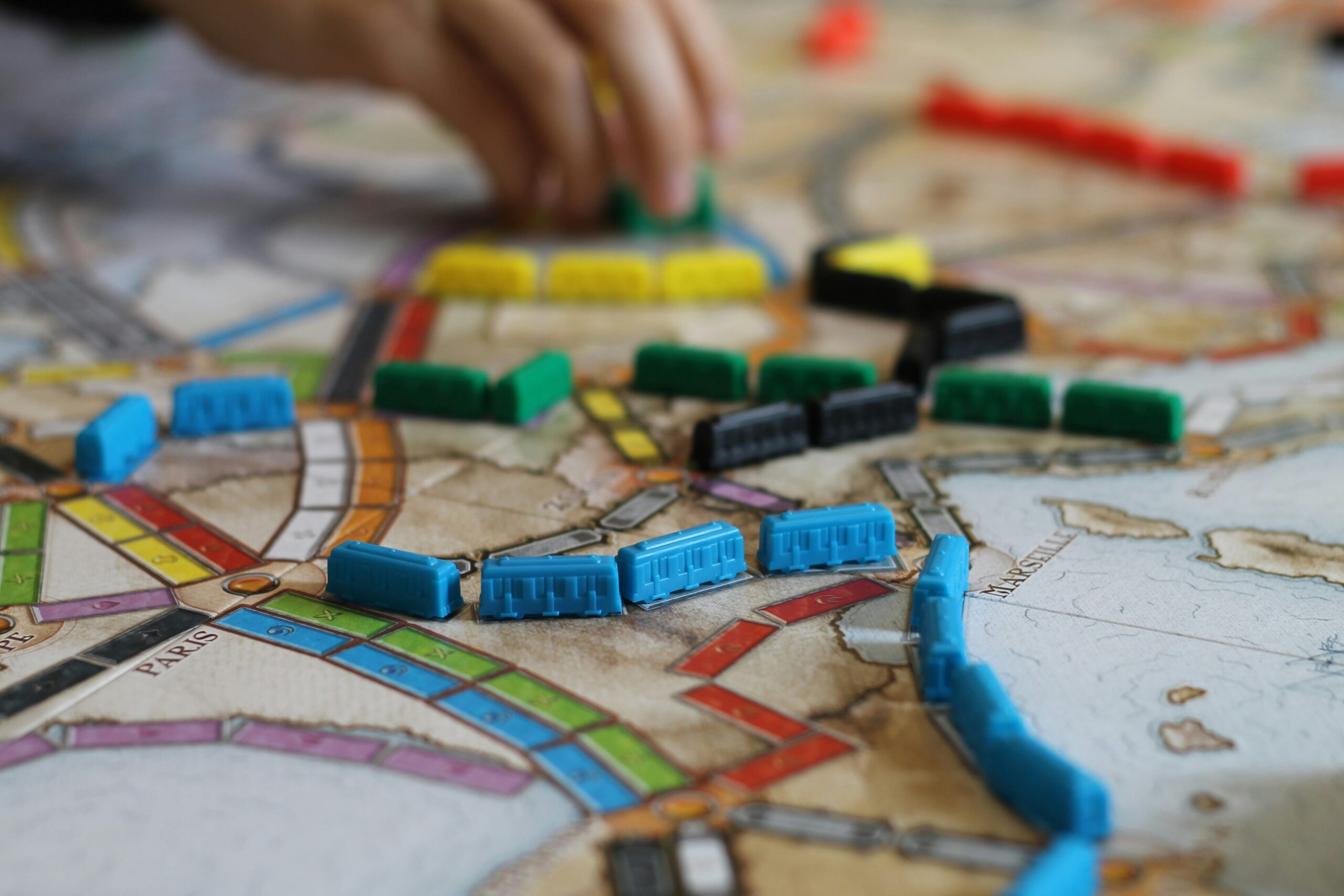
As a past homeschooler myself, I knew I wanted to home-educate my kids for a multitude of reasons… but as mine got older, I became overwhelmed with the magnitude of curriculum options, approaches, and “must-do’s” out there.
This is why I’m so excited to share about our current focus on “game schooling”. We’re currently ditching the monthly planners, hours of bookwork, and all the stress that comes along with it for a more relaxed, enjoyable experience we all love and find sustainable.
–
What I Believe Matters Most in Homeschooling
At the core of it all, I’m a firm believer in this:
The most important part of homeschooling isn’t what kids learn — it’s teaching them how to learn and helping them love it.
If a child:
-
knows how to think
-
knows how to explore
-
knows how to try, fail, adjust, and try again
they’ll be equipped for far more than just passing tests. I strongly believe this is where many public schools fail children: so often, I’ve heard stories of kids who have struggled to fit into the standard education system and have been forced to stifle their opinions, lose their individuality, and silence their independent thinking in order to make it.
–
My experience being homeschooled
I was homeschooled growing up, and while I did experience some great sides of it (more on that in a moment), a lot of it looked like:
-
sitting at the kitchen table for hours
-
working through books and worksheets
-
doing what I was told, in the order it was assigned like a standard educational experience
And while I truly believe there’s a time and place for book learning, here’s what I’ve noticed as an adult:
-
Most (if not all) of my “book smarts” haven’t actually served me day-to-day
-
I’ve often wished I had been:
-
more equipped with practical life skills
-
more encouraged to experiment
-
more free to explore my own interests
-
That realization has shaped how I approach homeschooling my own kids.
To note, I am thoroughly grateful that I was homeschooled so I want to mention some of the things that I loved the most about it, as I got to experience a lot more than just book/table work: The co-op and “classroom” style settings I got to enjoy as I got older, along with the social aspect of those programs helped me really excel in subjects my parents weren’t as prepared to teach. I also got to explore a lot of other skills and passions – dance, rowing, piano, knitting and other creative endeavors – and part time work from an early age due to my schedule availability. These are things I hope to focus more on as my kids get older and begin voicing their interests more.
–
My thoughts on college (and the “traditional path”)
I do have a college degree – and at this point, I don’t plan to encourage my kids toward college unless they’re genuinely interested in something specific, like:
-
a technical skill
-
a trade
-
a hands-on, profitable specialty that makes sense long term
Personally, I struggle with the idea that kids spend most of their youth studying to pass tests… just to spend tens of thousands of dollars on degrees that don’t necessarily lead to meaningful or sustainable work, fulfillment, or value in family life (especially for those who choose to stay home and raise kids).
Instead, I’d much rather help my kids:
-
learn how to learn
-
try lots of things
-
explore business, entrepreneurship, and creative skills
-
lean into their natural talents and interests (before their 20s when school would allow them to finally be “free” to do so extensively)
The goal isn’t to mold them into the workforce, it’s to help them build a life they actually enjoy.
–
The deeper reasoning behind our choice
A lot of this stems from a deeper belief that the current education system:
-
prioritizes compliance over curiosity
-
trains kids to take orders from authority figures without question
-
prepares them for a rigid 9–5 life as the default, with the expectation of work through 60+.
Those doesn’t align with our family values.
We value:
-
freedom and autonomy
-
creativity and flexibility
-
a life that isn’t centered around work alone
-
never being forced into a situation where submission to God clashes with arbitrary authority
Game schooling, at this time, feels like one way we can gently step outside that system.
–
Why we’re thrilled with game schooling right now
Game schooling allows learning to stay:
-
playful
-
engaging
-
age-appropriate
-
joyful
And honestly? Kids learn better when they’re having fun.
There’s solid research showing that play-based learning improves retention, problem-solving, and motivation, and I see it firsthand every day.
My kids are far more excited to:
- decipher and follow instructions
-
use math to win a game
-
strategize their next move
-
solve a real problem in front of them
than they are to fill out another worksheet.
(And let’s be real — I would rather practice math while knitting, baking, or building something than doing a workbook too.)
–
What We’re Actually Doing Day-to-Day
Right now, our homeschool rhythm includes:
-
board and card games
-
reading practice woven in naturally
-
conversation, problem-solving, and teamwork
- everyday life skills and creative activities
The games we use help build:
-
critical thinking
-
math skills
-
spatial awareness
-
strategy
-
geography
-
social skills
- and more!
They also teach things that don’t show up on worksheets:
-
how to win and lose gracefully
-
how to work as a team
-
how to handle frustration
-
how to adapt when a plan doesn’t work
All while still letting them be kids.
–
This Is Just the Beginning
This approach isn’t set in stone – it’s simply what fits our family right now.
I’ll be sharing another post soon with:
-
our favorite games
-
what we currently have in our homeschool closet
-
how we choose games based on skills they support
But for now, this feels like a really good, life-giving place to start.
Thoughts or questions?! I’d love to hear them!

Be the first to comment